
Pros and Cons of Using Full Width Dana 60 Axles for Your Toyota Solid Axle Swap

Swapping solid axles on a Toyota, especially older models like the Land Cruiser or Tacoma, is a popular upgrade for off-road enthusiasts. One common choice is the Dana 60 axle, known for its strength and durability. But should you go with a full width Dana 60 axle for your swap? This post breaks down the advantages and disadvantages of using full width Dana 60 axles in your Toyota solid axle swap, helping you make an informed decision.
What Is a Full Width Dana 60 Axle?
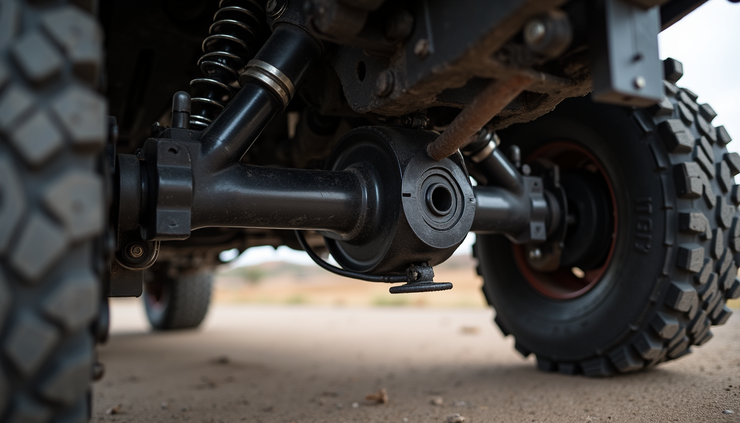
A full width Dana 60 axle is a heavy-duty axle originally designed for larger trucks and SUVs. It is wider than the stock Toyota axles, often measuring around 70 inches from hub face to hub face. This width is significantly broader than the factory Toyota solid axles, which typically range from 58 to 62 inches.
When enthusiasts perform a solid axle swap, they sometimes choose full width Dana 60 axles to gain strength and durability. However, the increased width also affects vehicle handling, suspension setup, and overall fitment.
Advantages of Using Full Width Dana 60 Axles
1. Superior Strength and Durability
Dana 60 axles are built to handle heavy loads and extreme off-road conditions. Their thicker axle tubes, larger ring and pinion gears, and beefier components make them more resistant to bending and breaking compared to stock Toyota axles or smaller aftermarket options.
For example, if you plan to run large tires (35 inches or bigger) or add heavy armor and winches, the Dana 60 axle can handle the extra stress without failure.
2. Increased Ground Clearance
Because of the wider stance, full width Dana 60 axles provide better ground clearance under the differential. This reduces the chance of hitting rocks or obstacles on rough trails, which is a common problem with narrower axles.
3. Availability of Aftermarket Support
Dana 60 axles have been popular in the off-road community for decades. This means there is a wide range of aftermarket parts available, including lockers, gears, brakes, and suspension components. This makes maintenance and upgrades easier and often more affordable.
4. Improved Stability on Rough Terrain
The wider track width of a full width Dana 60 axle can improve vehicle stability, especially on uneven terrain. A wider stance reduces body roll and helps keep the vehicle planted during side slopes or sharp turns off-road.
5. Better Axle Shaft Strength
Dana 60 axles use larger diameter axle shafts compared to Toyota stock axles. This means they are less likely to twist or break under heavy torque, which is especially important when crawling or rock climbing.
Disadvantages of Using Full Width Dana 60 Axles
1. Increased Vehicle Width
The most obvious downside is the increased width of the axle. This can cause clearance issues with the vehicle’s frame, body panels, and suspension components. It may require extensive modifications such as trimming fenders, relocating steering components, or adjusting suspension mounts.
For example, a Toyota Land Cruiser with a full width Dana 60 axle may need fender flares or body lifts to accommodate the wider stance.
2. Reduced Maneuverability
A wider axle increases the vehicle’s turning radius, making it harder to maneuver in tight trails or urban environments. This can be a significant drawback if you frequently drive in narrow off-road paths or crowded areas.
3. Heavier Weight
Dana 60 axles are heavier than stock Toyota axles. This added unsprung weight can affect suspension performance and fuel economy. The extra weight also puts more strain on other drivetrain components like the driveshaft and transfer case.
4. More Complex Installation
Installing a full width Dana 60 axle is more complicated than swapping in a narrower axle. You may need custom driveshafts, brake lines, and suspension parts. The steering system often requires modifications to work with the wider axle, adding time and cost to the project.
5. Potential for Increased Tire Wear
The wider stance can cause changes in suspension geometry, which may lead to uneven tire wear if not properly aligned. This means you might need more frequent alignments and suspension tuning to maintain tire life.
When a Full Width Dana 60 Axle Makes Sense
You plan to run very large tires (35 inches or larger).
Your build focuses on heavy-duty off-roading with rock crawling and trail obstacles.
You want maximum axle strength and durability for heavy armor, winches, or towing.
You have the budget and skills to handle the necessary modifications.
You prioritize stability and ground clearance over tight turning radius.
When to Consider Alternatives
You mostly drive on-road or on mild off-road trails where maneuverability matters.
You want a simpler, more cost-effective swap with fewer modifications.
You prefer to keep your vehicle’s width closer to stock for parking and trail clearance.
You want to save weight and improve fuel economy.
You want to avoid complex steering and suspension changes.
Practical Tips for Using Full Width Dana 60 Axles
Measure carefully before purchasing. Compare the axle width to your vehicle’s frame and body to anticipate clearance issues.
Plan for steering upgrades. Dana 60 axles often require a custom steering setup, such as a drop pitman arm or longer drag links.
Upgrade brakes to match the heavier axle and larger tires.
Use quality suspension components designed for the wider axle to maintain proper geometry.
Consider professional installation if you lack experience with axle swaps and fabrication.
Summary
Using full width Dana 60 axles for your Toyota solid axle swap offers clear benefits in strength, durability, and off-road capability. They excel in heavy-duty builds with large tires and challenging terrain. However, the wider axle brings challenges like increased vehicle width, reduced maneuverability, and more complex installation.


Comments